Jaeden Schafer
Choose Your Niche and Format
Every successful podcast starts with a clear niche and a format that serves it. Before you buy a single piece of equipment, answer two questions: Who am I making this for, and what will they get out of every episode? The more specific your niche, the easier it is to attract loyal listeners. "Business" is too broad. "Marketing strategies for Arizona small business owners" is a niche people will subscribe to.
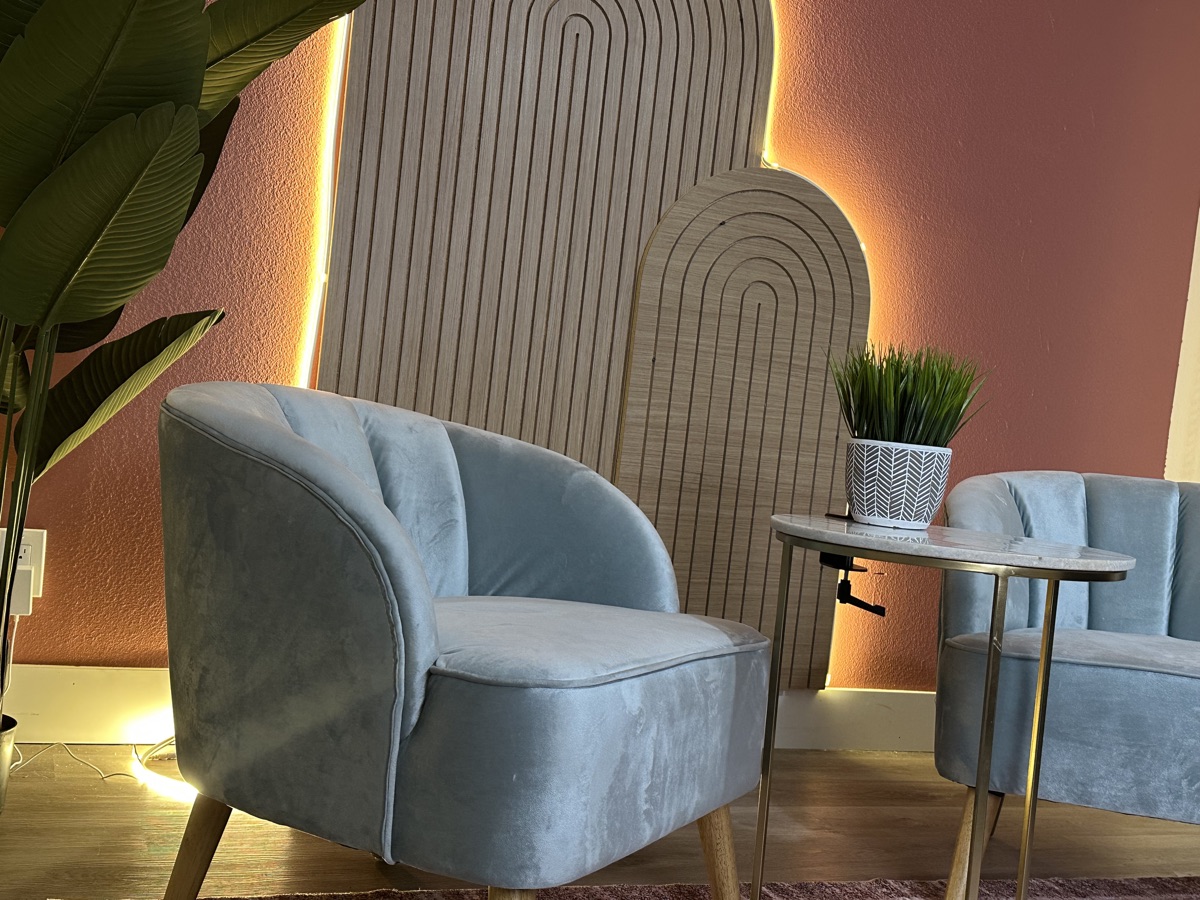
Next, pick your format. Solo shows give you full creative control and are the easiest to schedule. Interview shows let you borrow credibility from guests and expand your network. Co-hosted shows bring natural conversational energy but require coordinating calendars. Panel discussions work well for debate-style content. Choose the format that matches your strengths — if you are a great conversationalist, interviews will feel natural. If you are a subject-matter expert, solo episodes let you teach efficiently.
Finally, plan your first five episodes before you record anything. Write a one-sentence summary of each episode and make sure there is a clear thread connecting them. This planning phase is where most people skip ahead, and it is exactly where you should slow down. A focused plan means you will not run out of ideas by episode three.
Equipment and Recording Options
You have two paths: build a home setup or rent a professional studio. A basic home rig includes a USB microphone (the Audio-Technica ATR2100x or Samson Q2U are excellent starter mics), closed-back headphones, a pop filter, and free recording software like Audacity or GarageBand. Budget around $150-$300 for a setup that sounds decent in a quiet room.
The challenge with home recording is everything the microphone picks up that you do not want — air conditioning hum, traffic noise, room echo, a dog barking down the hall. Acoustic treatment (foam panels, bass traps, a reflection filter) adds another $200-$500, and you still need to learn how to position everything correctly. For video podcasting, the cost climbs further with cameras, lighting, and a visually appealing background.
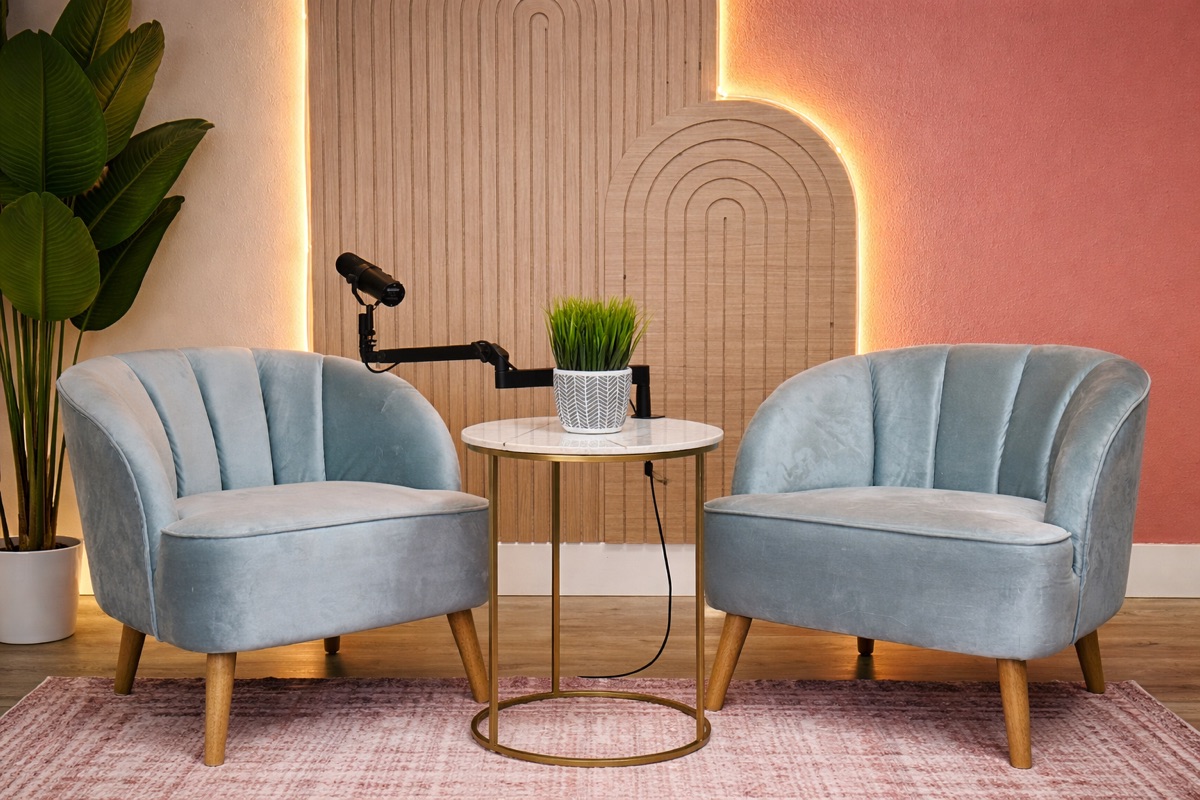
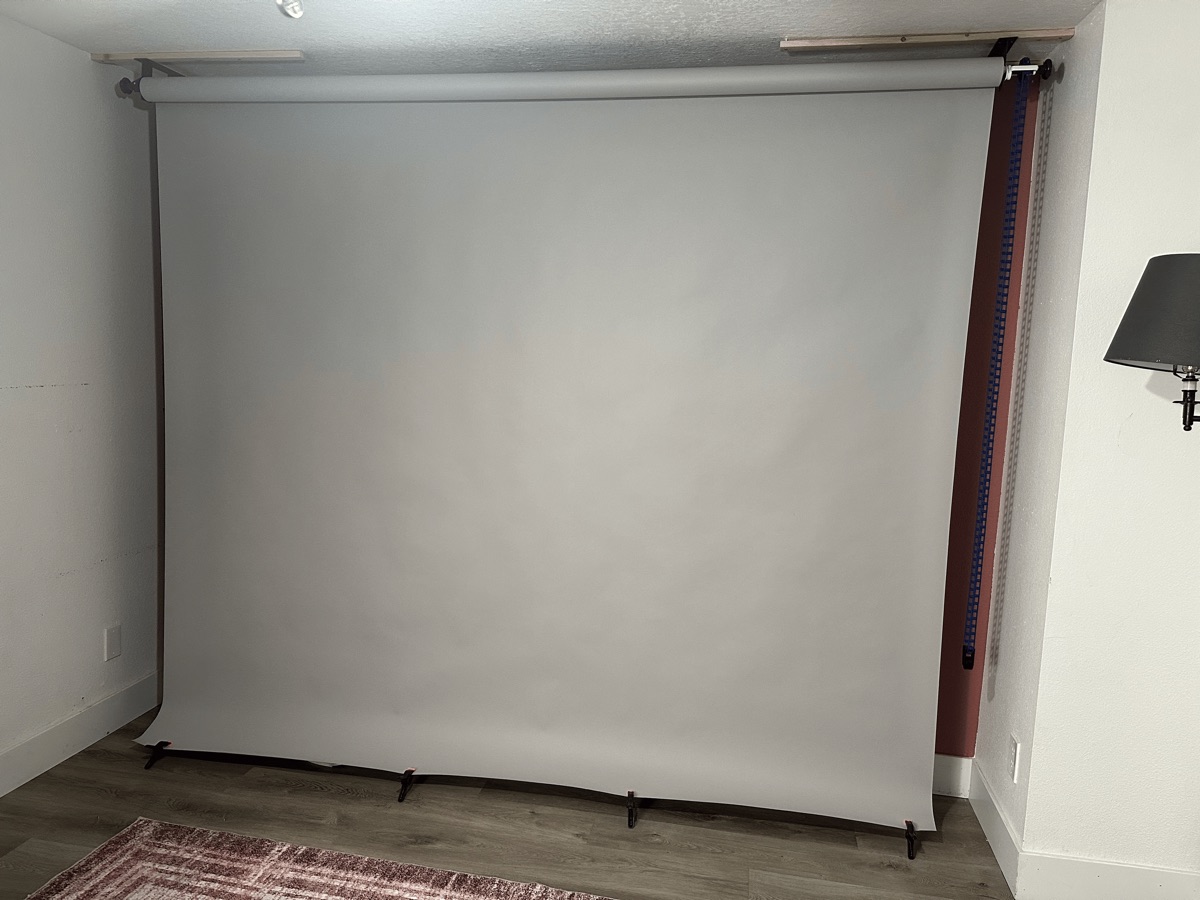
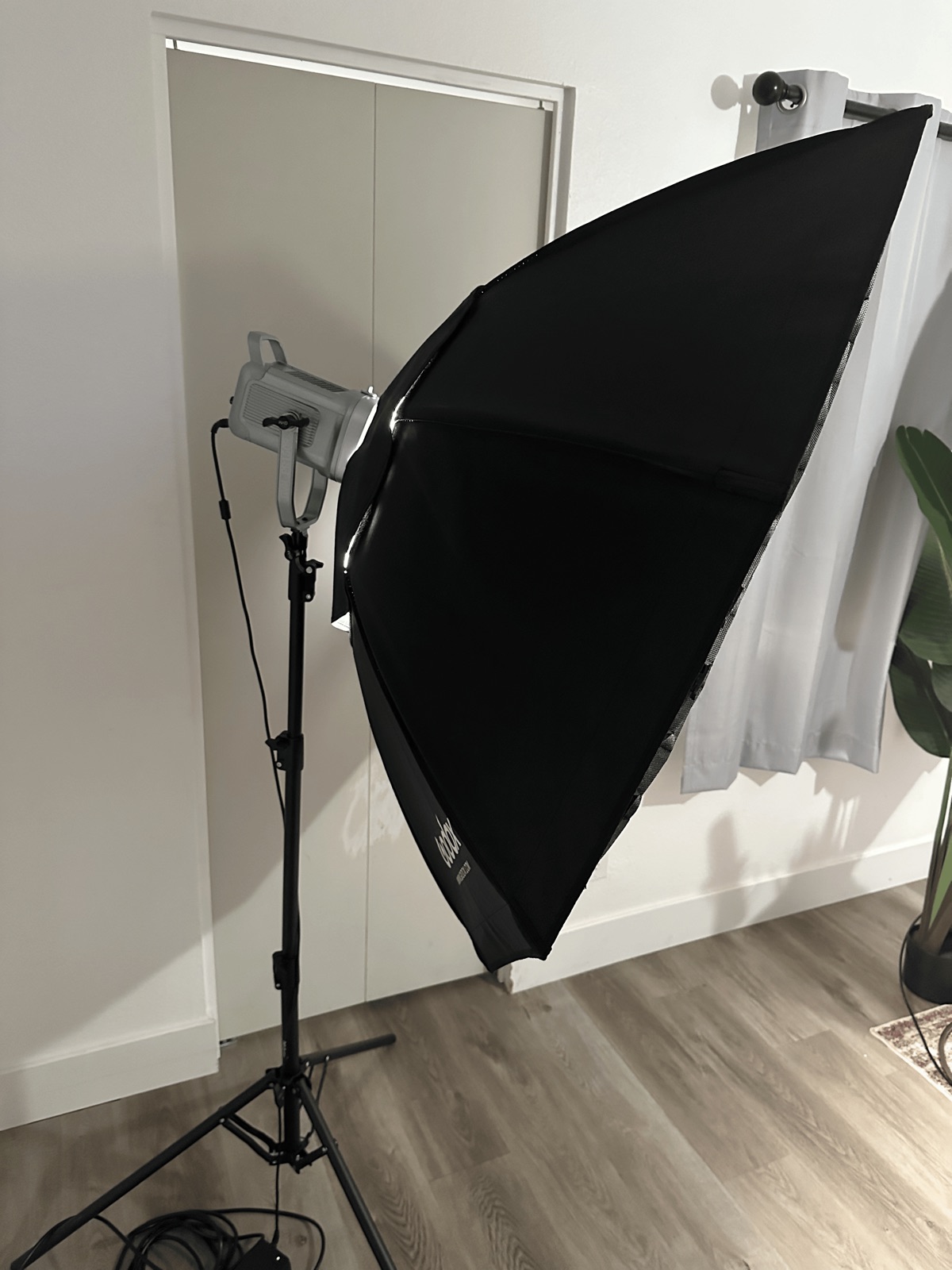
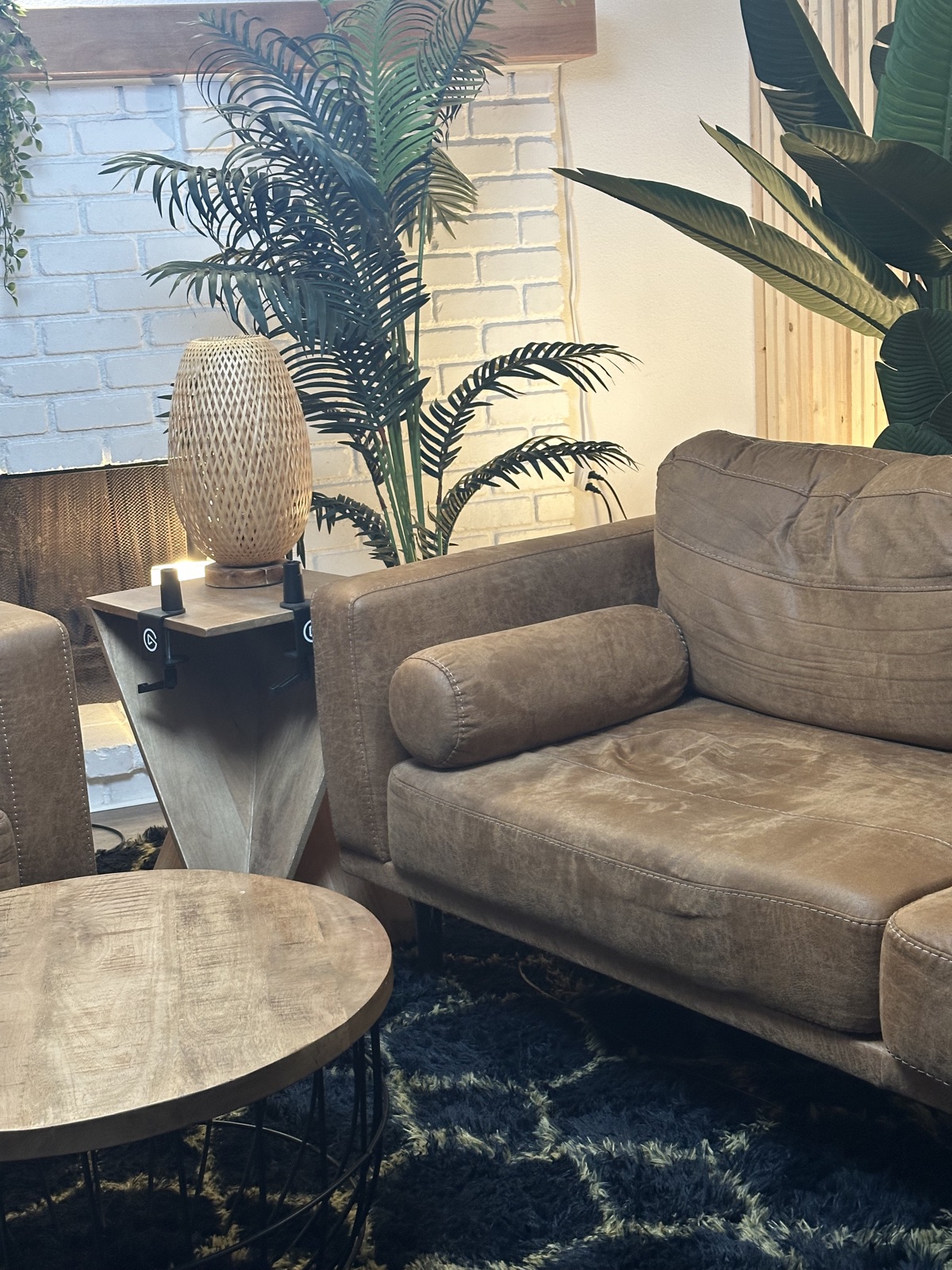
This is exactly why many new podcasters book a professional studio session instead. At Podcast Studio AZ in Mesa, you walk into a soundproofed room with Shure SM7B microphones, a RODECaster Pro II mixer, Sony FX30 cameras, and professional lighting already set up. A dedicated engineer handles all the technical details while you focus on your content. Studio + Filming sessions start at $225/hr — less than many podcasters spend on gear they will only use once a week. It is the fastest way to launch with broadcast-quality audio and video from day one.
Record Your First Episode
Recording day is where the rubber meets the road. Whether you are at home or in a studio, a few universal principles will make your first session go smoothly. Start with a vocal warm-up — hum for a minute, do some tongue twisters, and drink room-temperature water. Cold vocal cords produce flat, lifeless audio.
Do not write a word-for-word script. Instead, create a bullet-point outline with your key talking points, transitions, and any quotes or statistics you want to reference. Scripts make you sound like you are reading (because you are). An outline keeps you on track while preserving natural energy and spontaneity. Leave space for tangents — some of the best podcast moments come from unplanned detours.
If you are interviewing a guest, research them thoroughly. Listen to previous interviews they have done so you can ask fresh questions. Send them 3-5 topic areas in advance, but not the exact questions — you want genuine reactions, not rehearsed answers. Start the conversation before you hit record to build rapport, then ease into the interview naturally. And remember: your job as host is to listen, not to talk. The best interviewers ask one question and get out of the way.
Editing and Publishing
Editing does not have to be complicated. For most conversational podcasts, you need three skills: cutting dead air and long pauses, removing obvious mistakes (coughs, stumbles, tangents that go nowhere), and leveling your audio so the volume is consistent throughout. Free tools like Audacity handle all of this. If you want something more polished, Descript lets you edit audio by editing a text transcript — it is remarkably intuitive for beginners.
Once your episode is edited, export it as an MP3 at 128kbps (the standard for spoken word) and write your episode title, description, and show notes. Your title should include a clear benefit or hook. "Episode 7" tells the listener nothing. "How I Landed My First 1,000 Subscribers in 30 Days" tells them exactly what they will learn. Your description should expand on the title and include relevant keywords for search.
For hosting, platforms like Buzzsprout, Podbean, and Spotify for Podcasters (formerly Anchor) make it easy to upload, distribute, and track your episodes. Upload your file, fill in the metadata, and submit your RSS feed to Apple Podcasts, Spotify, Amazon Music, and Google Podcasts. Most directories approve new shows within a few days. Pro tip: have your first 3-5 episodes ready to publish on launch day so new listeners can binge immediately.
Grow Your Audience From Day One
Publishing is only half the work. Growing an audience requires consistent effort across a few key channels. Start by telling everyone in your existing network — email list, social media followers, colleagues, friends. Personal outreach in the first two weeks drives more downloads than any marketing tactic. Ask listeners to subscribe and leave a review on Apple Podcasts; those early reviews dramatically affect your visibility in search results.
Repurpose every episode into multiple pieces of content. Pull short audio clips for Instagram Reels and TikTok. Turn key insights into LinkedIn posts or Twitter threads. Write a blog post summarizing the episode to capture search traffic. If you record video — which you should — upload the full episode to YouTube and cut highlight clips for Shorts. Every piece of content funnels back to the full episode.
Finally, collaborate early and often. Appear as a guest on other podcasts in your niche to tap into their audience. Invite guests who have their own following and ask them to share the episode. Cross-promotion is the single most effective organic growth strategy in podcasting. And when you are ready to level up your production quality, book a session at Podcast Studio AZ — professional audio and video make your content more shareable, more credible, and more likely to convert casual listeners into loyal subscribers.
Studio Pricing
$225/hr
Studio + Filming
$350/hr
Studio + Filming + Editing
$450/hr
Studio Content Package
Every session includes multi-camera filming, professional audio, lighting, and a dedicated engineer, with raw footage delivered. The higher tiers add a fully edited podcast episode and short-form social clips. Weekend sessions available by request.
Book NowFrequently Asked Questions
How much does it cost to start a podcast in 2026?
How many episodes should I have before launching a podcast?
Do I need expensive equipment to start a podcast?
How long should a podcast episode be?
How do I get my podcast on Apple Podcasts and Spotify?
Record Your Podcast atPodcast Studio AZ
Our full-service video and podcasting studio is ready to make your next project shine — with an in-house video engineer ready to assist.