Jaeden Schafer
The Honest Truth About Recording at Home
Home recording has real advantages, and we are not going to pretend otherwise. It is convenient — you can record at midnight in your pajamas if the mood strikes. There is no commute, no scheduling around a studio's availability, and no per-session cost after you have bought your equipment. For podcasters who record frequently (three or more episodes per week), the economics of a home setup often win out over studio rental. If you have a spare room you can dedicate to recording, you can build a setup that serves you for years.
But the downsides are significant and often underestimated by beginners. The number one problem is acoustic quality. The average home has hard drywall, hardwood or tile floors, glass windows, and HVAC systems that cycle on and off unpredictably. All of these create audio problems — echo, reverb, and low-frequency hum — that are difficult and expensive to fix. Foam panels help with high-frequency reflections but do almost nothing for low-frequency rumble. True soundproofing requires decoupled walls, sealed doors, and isolated ventilation — renovations that cost thousands.
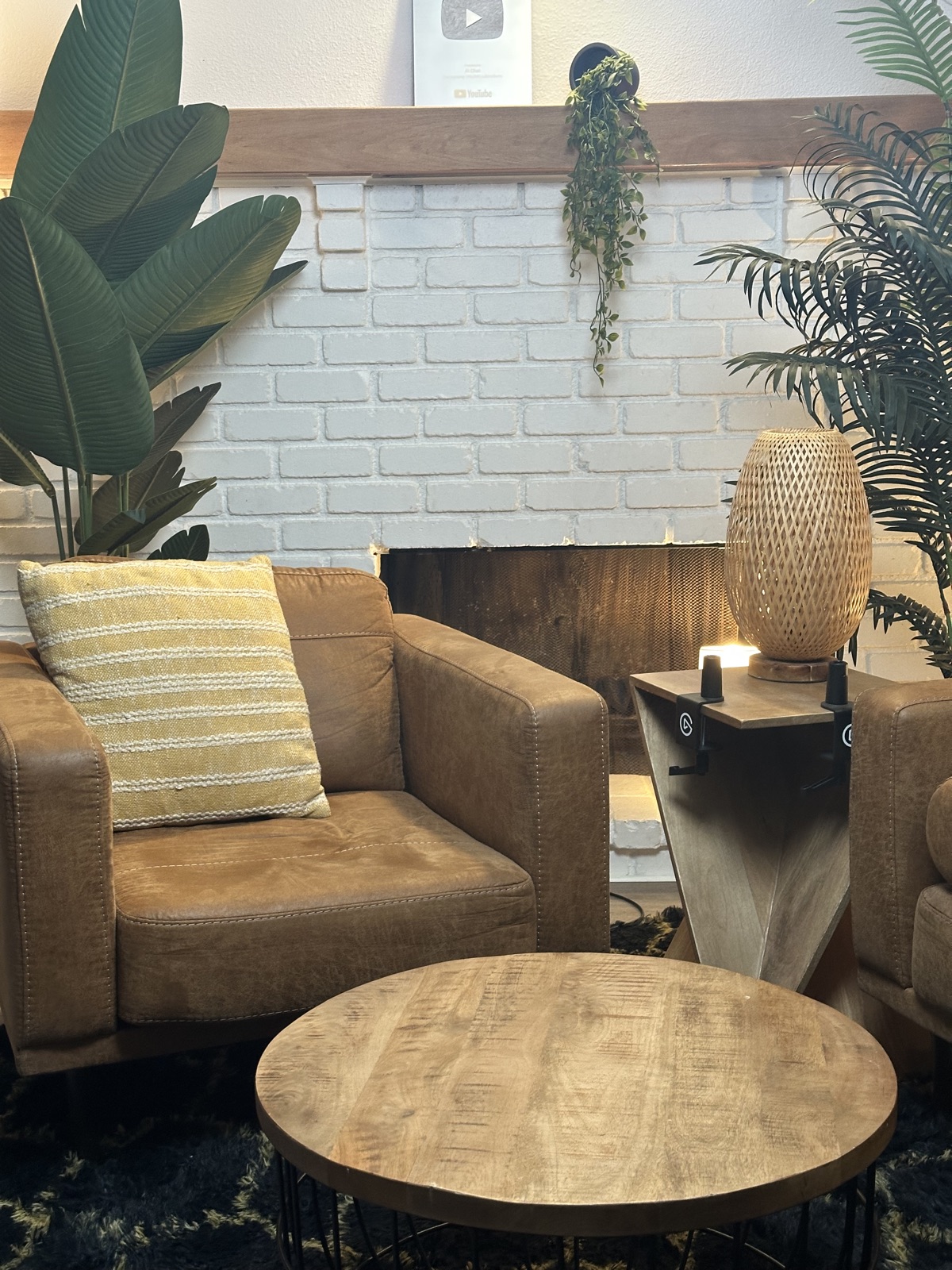
The second issue is video. Most home environments are not visually appealing enough for a video podcast without significant set design work. Poor lighting, cluttered backgrounds, and inconsistent camera setups make your content look amateur regardless of how good the conversation is. In 2026, when video podcasting is the default expectation for growth on YouTube and social media, this visual gap matters more than ever.
What a Professional Studio Actually Gives You
A professional podcast studio solves every problem listed above, but it introduces trade-offs of its own. Let us start with what you gain. You walk into a room that is purpose-built for audio recording — soundproofed walls, acoustic treatment tuned for spoken word, no HVAC noise, no street noise, no neighbor's dog. The difference in audio clarity is immediately noticeable, even to untrained ears. Your listeners may not be able to articulate why your podcast "sounds professional," but they will feel it.
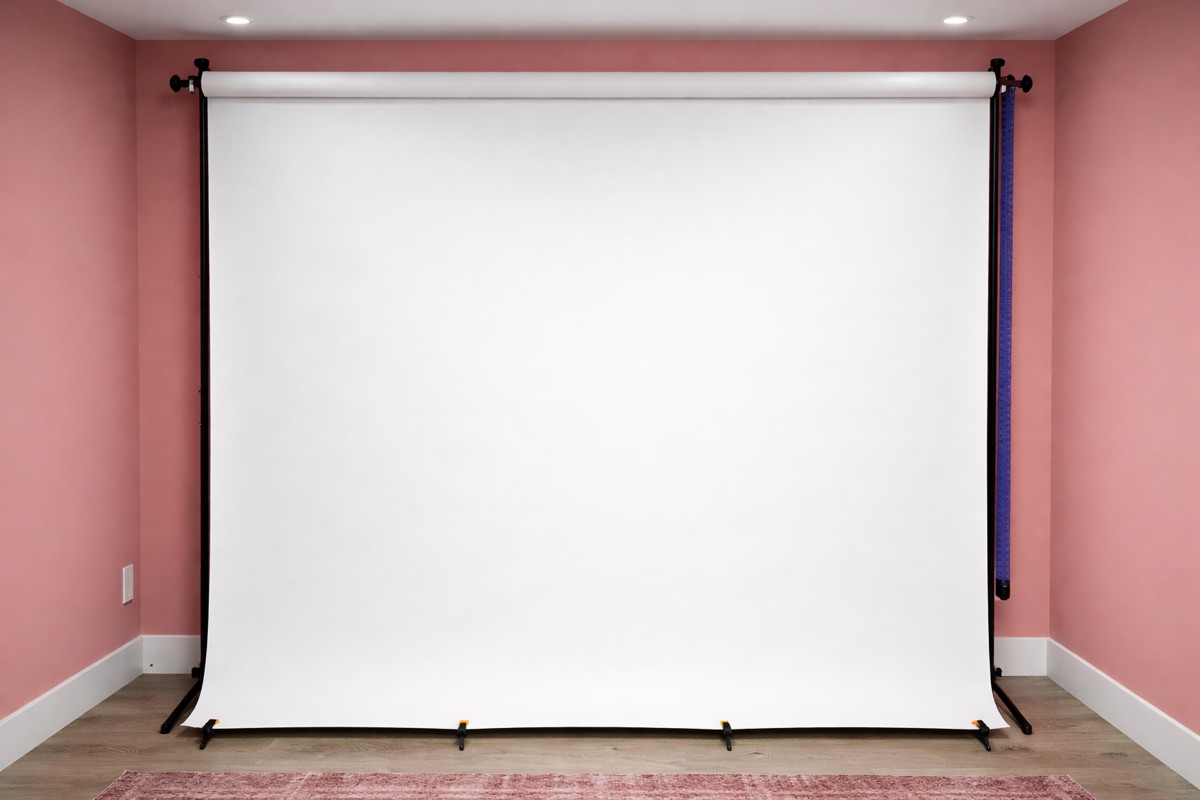
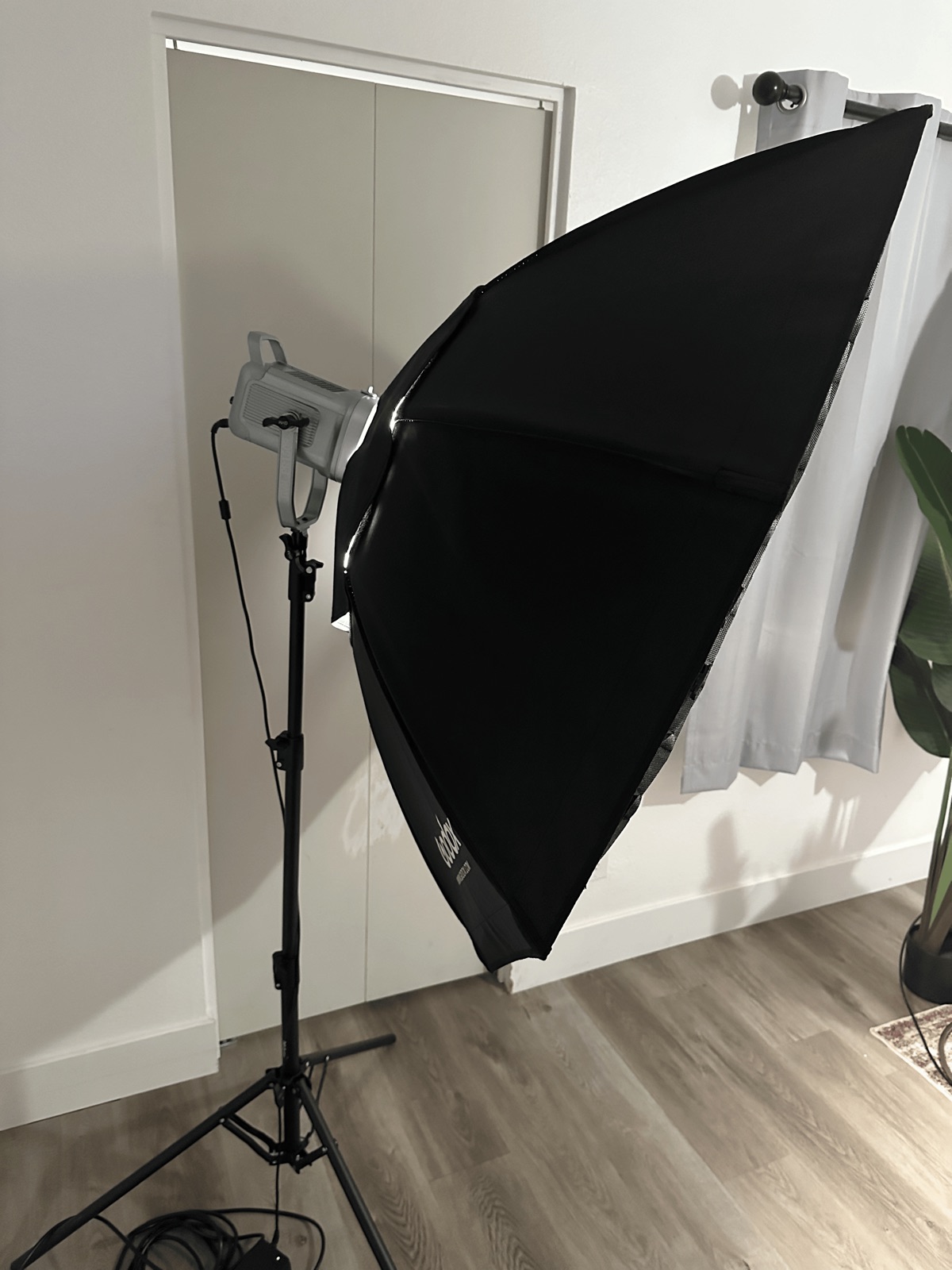
Beyond acoustics, you get equipment that most independent podcasters cannot justify purchasing. At Podcast Studio AZ, that means Shure SM7B microphones (the same mic used by Joe Rogan, and for good reason — it rejects room noise and captures rich vocal detail), a RODECaster Pro II mixer for multitrack recording, Sony FX30 cinema cameras for video, and professional three-point lighting. A dedicated engineer monitors audio levels in real time, catches problems before they ruin a take, and handles the entire technical workflow so you can focus on being a great host.
The trade-offs are straightforward: it costs money per session, you need to travel to the studio, and you need to schedule your sessions in advance. At Podcast Studio AZ in Mesa, sessions run $225/hr for Studio + Filming and $350/hr for Studio + Filming + Editing. A 12 Session Bundle brings each session down to $202.50. For most podcasters recording weekly or biweekly, the per-episode cost is genuinely comparable to a modest equipment payment plan — except you are getting $10,000+ of gear and a professional environment every time you sit down.
Who Should Stick With Home Recording
We believe in being honest even when it does not directly benefit our business. Some podcasters genuinely belong at home. If you record daily or near-daily content — like a short news commentary or daily journal-style show — the logistics of daily studio sessions do not make sense. Home is your best option, and investing in a solid acoustic setup will pay off quickly at that volume.
If you are on an extremely tight budget and cannot commit to regular studio sessions, a $150 home setup with a USB microphone and free software is a perfectly valid starting point. Many successful podcasters built their audience with humble setups before upgrading. Do not let the pursuit of perfection stop you from pressing record. An imperfect episode that ships is worth more than a perfect episode that never gets made.
Home recording also suits podcasters who need maximum flexibility — parents recording during nap time, people working irregular schedules, or anyone who values the ability to spontaneously hit record when inspiration strikes. If your content is primarily audio-only and your room sounds reasonably good (soft furnishings, carpeted floor, minimal outside noise), a home setup with a quality microphone and a bit of acoustic treatment can produce results you are genuinely proud of. Check out our equipment guide for specific recommendations.
Who Benefits Most From Using a Studio
Studios deliver the highest value for specific types of podcasters. Business podcasters and entrepreneurs who use their show as a credibility and lead-generation tool benefit enormously from professional production quality. When a potential client or partner listens to your podcast, the audio and video quality signals how seriously you take your work. It is the same reason you would not hold a client meeting in a messy garage — presentation matters.
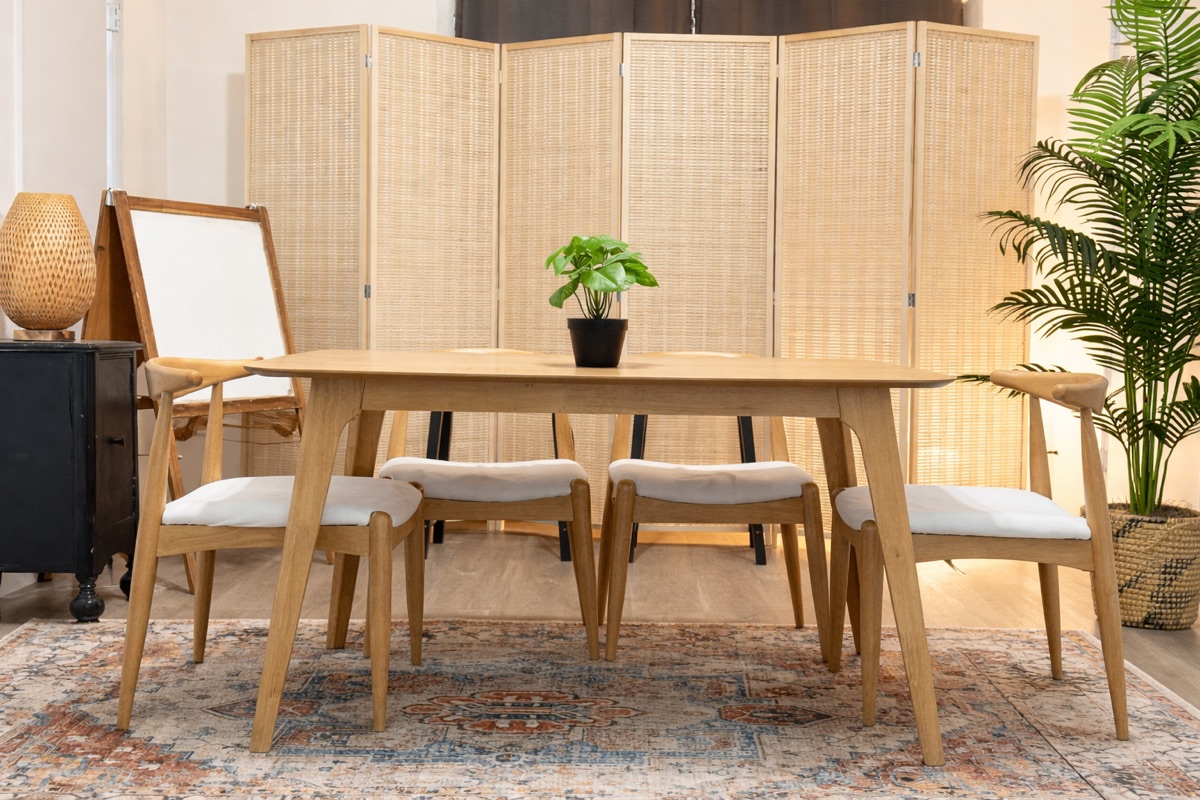
Podcasters who host in-person guests should seriously consider a studio. When a guest walks into a professional environment with multiple sets, studio lighting, and an engineer ready to go, the quality of the conversation changes. Guests take the interview more seriously, they are more relaxed because they do not have to worry about tech problems, and the resulting content reflects that elevated energy. Several of our regular clients at Podcast Studio AZ tell us their guests consistently comment on how smooth and professional the experience feels.
Finally, any podcaster who wants to grow on YouTube or social platforms needs video — and video is where the gap between home and studio is widest. Multi-camera recording, professional lighting, and visually designed sets are the baseline expectation for video podcasts competing for attention in 2026. If you are serious about building an audience and you want every episode to look as good as it sounds, book a session at Podcast Studio AZ and experience the difference firsthand. You can always go back to home recording if you prefer — but most people who try the studio never do.
Studio Pricing
$225/hr
Studio + Filming
$350/hr
Studio + Filming + Editing
$450/hr
Studio Content Package
Every session includes multi-camera filming, professional audio, lighting, and a dedicated engineer, with raw footage delivered. The higher tiers add a fully edited podcast episode and short-form social clips. Weekend sessions available by request.
Book NowFrequently Asked Questions
Is it worth renting a podcast studio if I only record once a month?
Can I get professional podcast audio quality at home?
What are the biggest audio problems with recording a podcast at home?
Do podcast studios include video recording?
How do I know if my podcast is good enough to justify a studio?
Record Your Podcast atPodcast Studio AZ
Our full-service video and podcasting studio is ready to make your next project shine — with an in-house video engineer ready to assist.