What Equipment Do You Need to Record a Podcast? (And Why You Might Not Need to Buy Any)
Jaeden Schafer
The Essential Podcast Equipment List
If you want to build a home podcast setup, here is what you actually need — stripped of marketing hype and ranked by importance. Your microphone is the single most important purchase. For beginners, the Samson Q2U ($70) and Audio-Technica ATR2100x ($80) are the gold standard because they connect via both USB and XLR, giving you room to grow. If you want to step up, the Shure SM7B ($399) is the industry-standard dynamic microphone used in studios worldwide, including at Podcast Studio AZ.
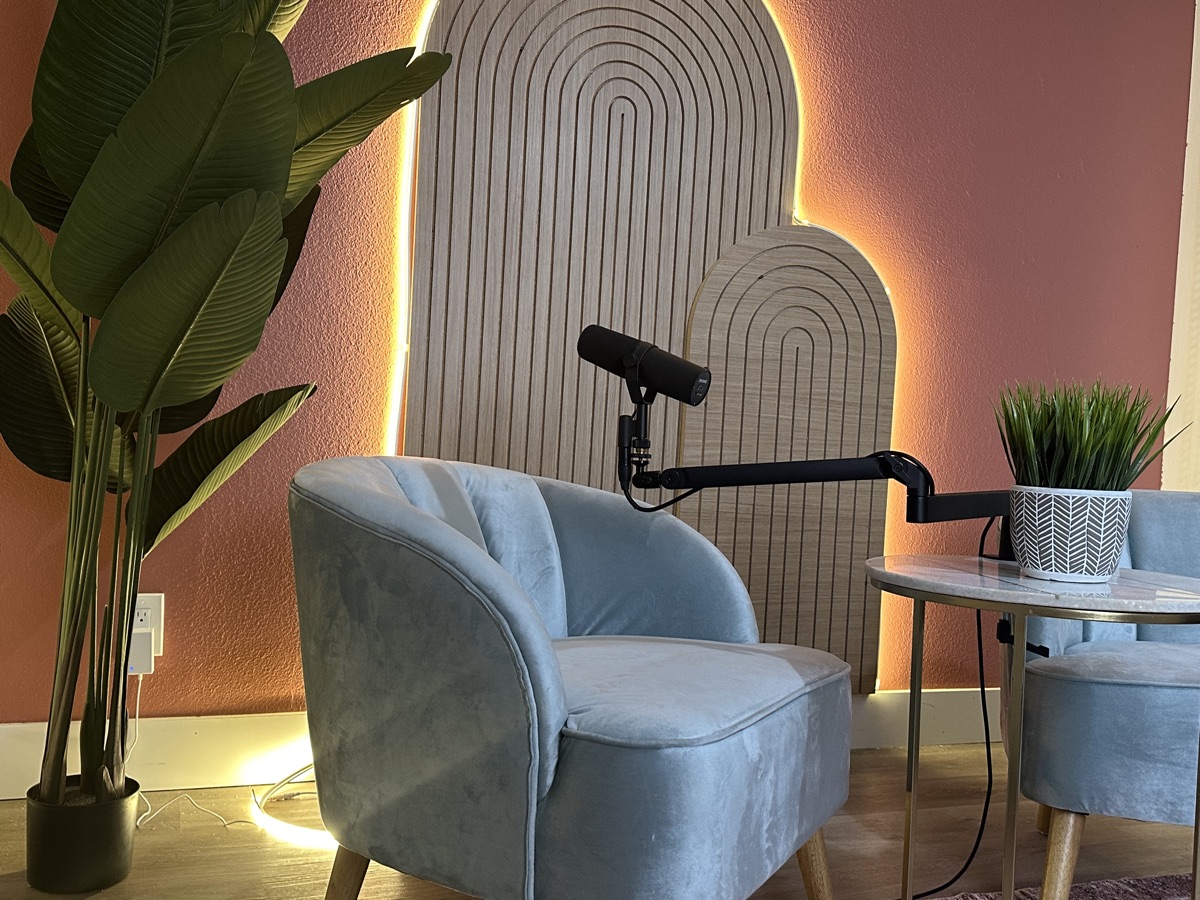
After the microphone, you need closed-back headphones to monitor your audio in real time. The Audio-Technica ATH-M50x ($150) and Sony MDR-7506 ($80) are both excellent. Open-back headphones leak sound into your microphone, so avoid them. A pop filter ($10-$20) catches plosive sounds from P and B consonants that cause distracting bursts of air. A boom arm ($25-$80) positions the mic at mouth level and reduces handling noise.
If you are using an XLR microphone, you need an audio interface to connect it to your computer. The Focusrite Scarlett 2i2 ($180) handles two microphones and is dead simple to use. For multiple guests, the RODECaster Pro II ($600) is a podcasting-specific mixer that handles four XLR inputs, sound pads, Bluetooth call-ins, and multitrack recording. Finally, you need recording software — Audacity (free), GarageBand (free on Mac), Descript ($24/month), or Adobe Audition ($23/month) are the main options.
The Real Cost of a Home Podcast Studio
Let us add everything up honestly, because the "you can start a podcast for $100" advice rarely tells the full story. A budget home setup — USB microphone, headphones, pop filter, and free software — runs about $150-$300. This is genuinely enough to produce decent audio if you record in a quiet room with soft furnishings. Many successful podcasts started exactly this way.
But most podcasters outgrow the budget setup quickly. Once you hear the difference between a USB mic and an XLR mic through a proper interface, you want to upgrade. Once you realize your spare bedroom sounds echoey on playback, you start buying acoustic panels. Once a guest comes over and you need a second microphone, headphone amp, and splitter, the costs compound. A realistic mid-range setup — XLR mic, interface, boom arm, headphones, pop filter, acoustic treatment, and recording software — lands between $800 and $1,500.
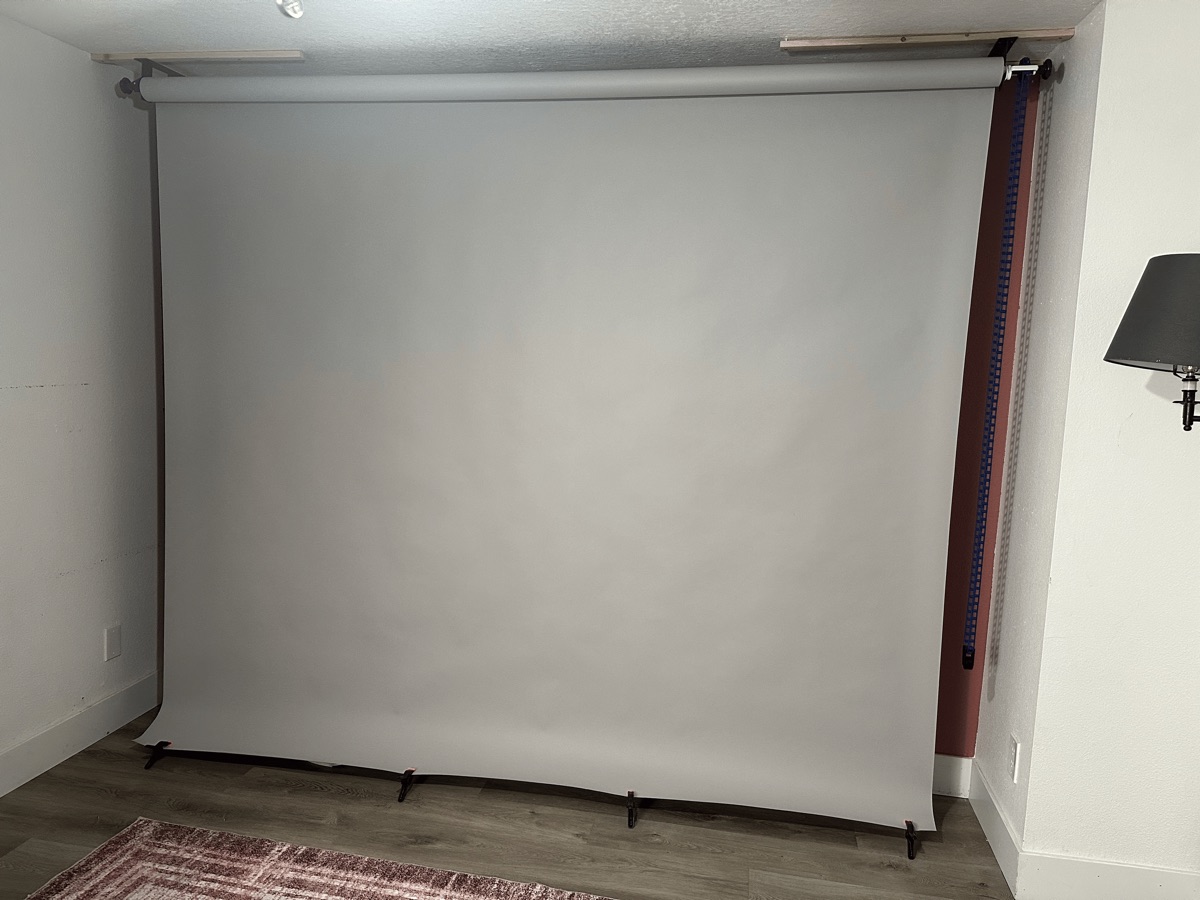
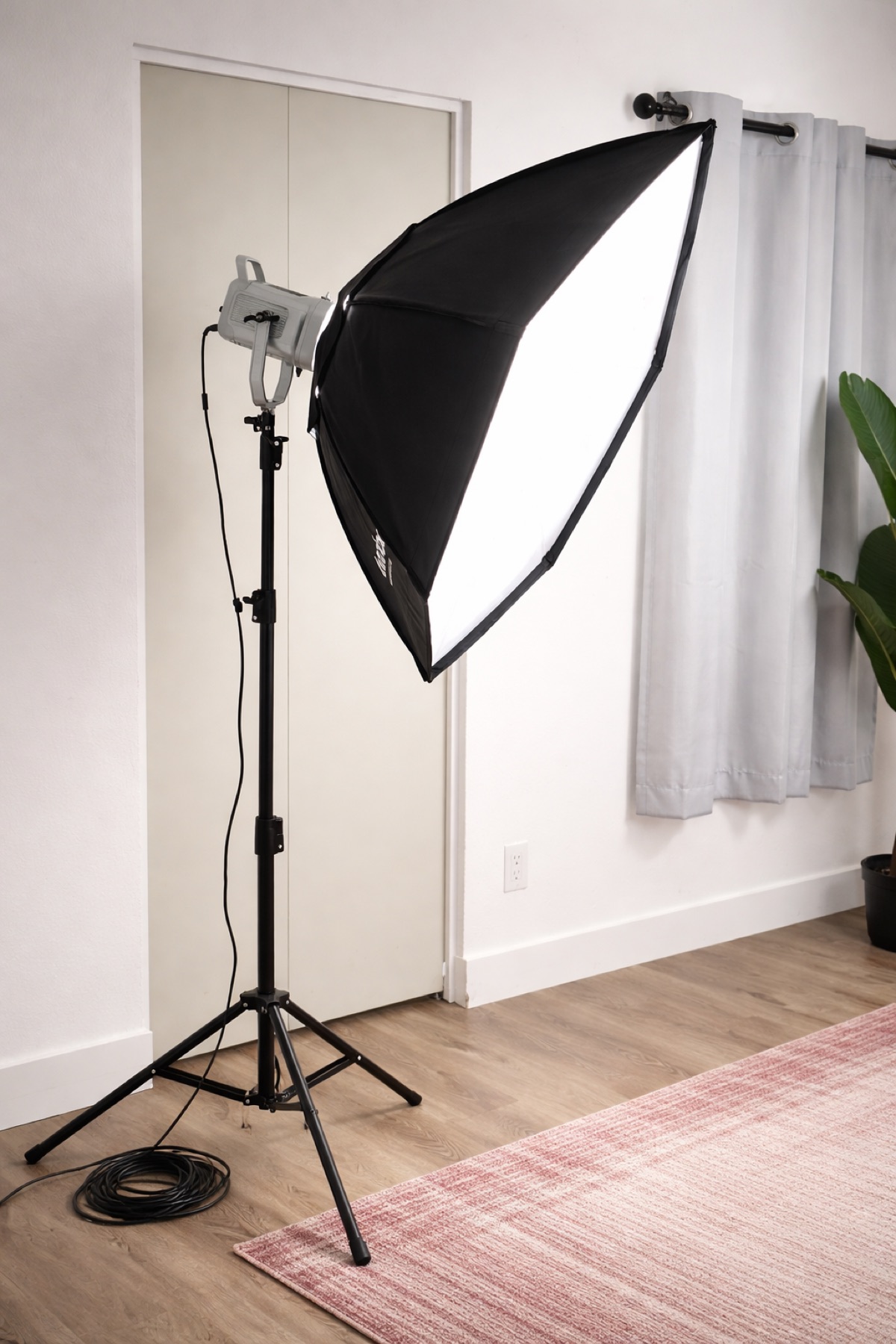
If you want video, the numbers climb further. A decent camera (Sony ZV-1 at $750, or a mirrorless body with a lens for $1,200+), a three-point lighting kit ($150-$400), and a visually appealing background (shelving, plants, acoustic panels that look good on camera) add another $1,000-$2,000. Total investment for a professional-looking audio and video podcast from home: $2,000-$4,000, plus the time learning how to use it all. That is not a criticism of home setups — it is just reality.
Why Renting a Studio Might Be the Smarter Move
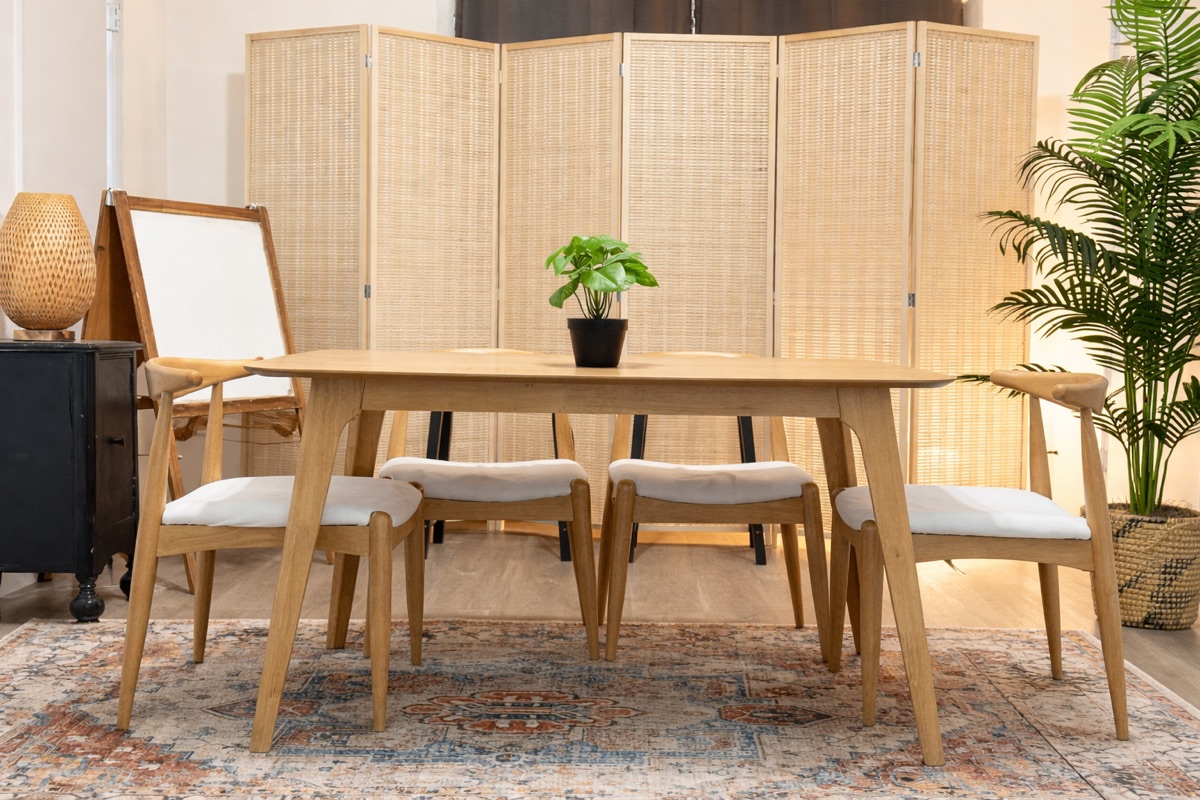
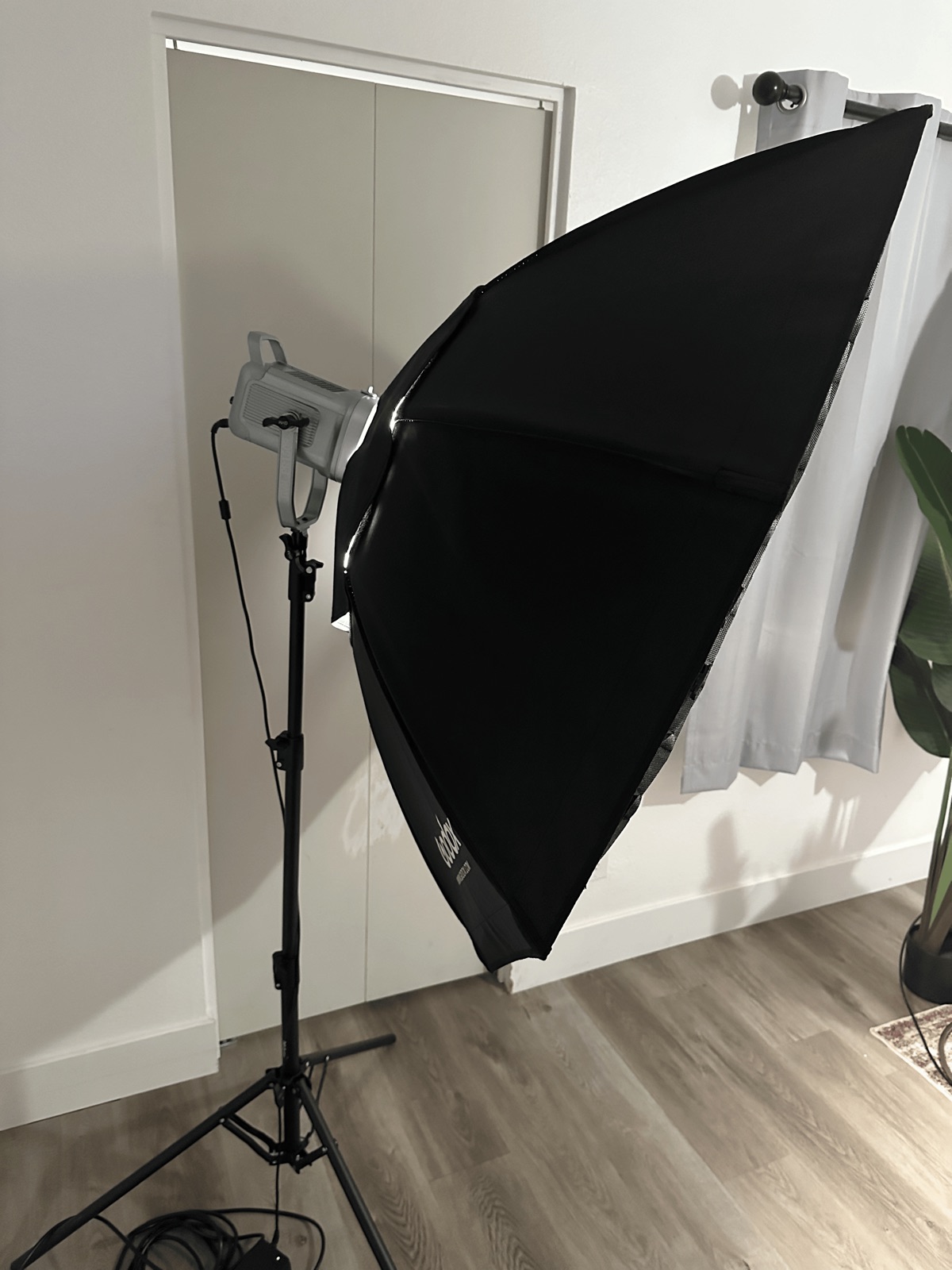
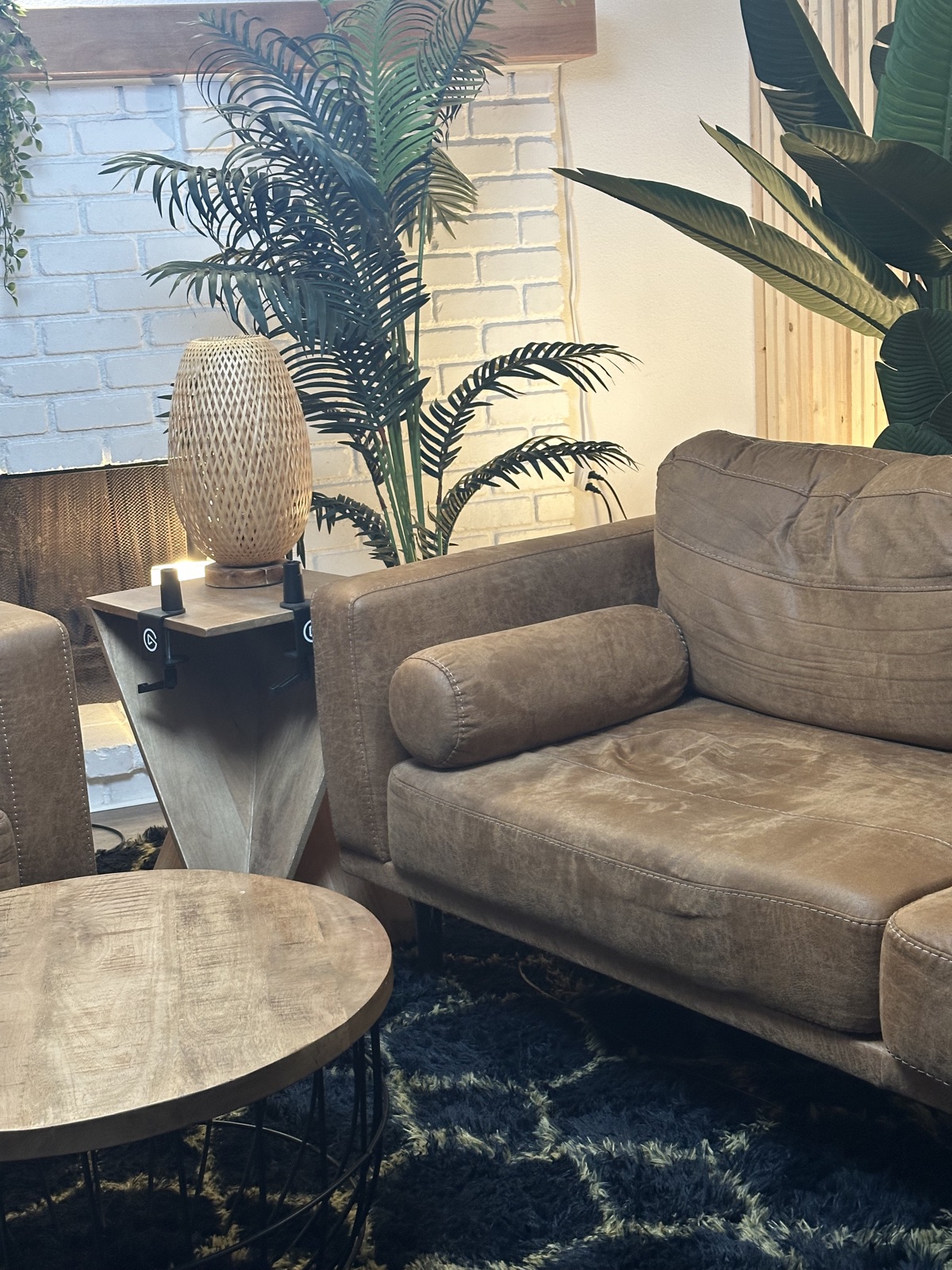
Here is the math that changes the equation for most podcasters. At Podcast Studio AZ, a Studio + Filming session costs $225/hr. For that $225, you get access to Shure SM7B microphones, a RODECaster Pro II mixer, Sony FX30 cinema cameras, professional three-point lighting, fully soundproofed rooms, three different set designs (Living Room, Blue Chairs, and Office), and a dedicated audio engineer who runs everything for you. The replacement cost of that equipment and environment exceeds $10,000.
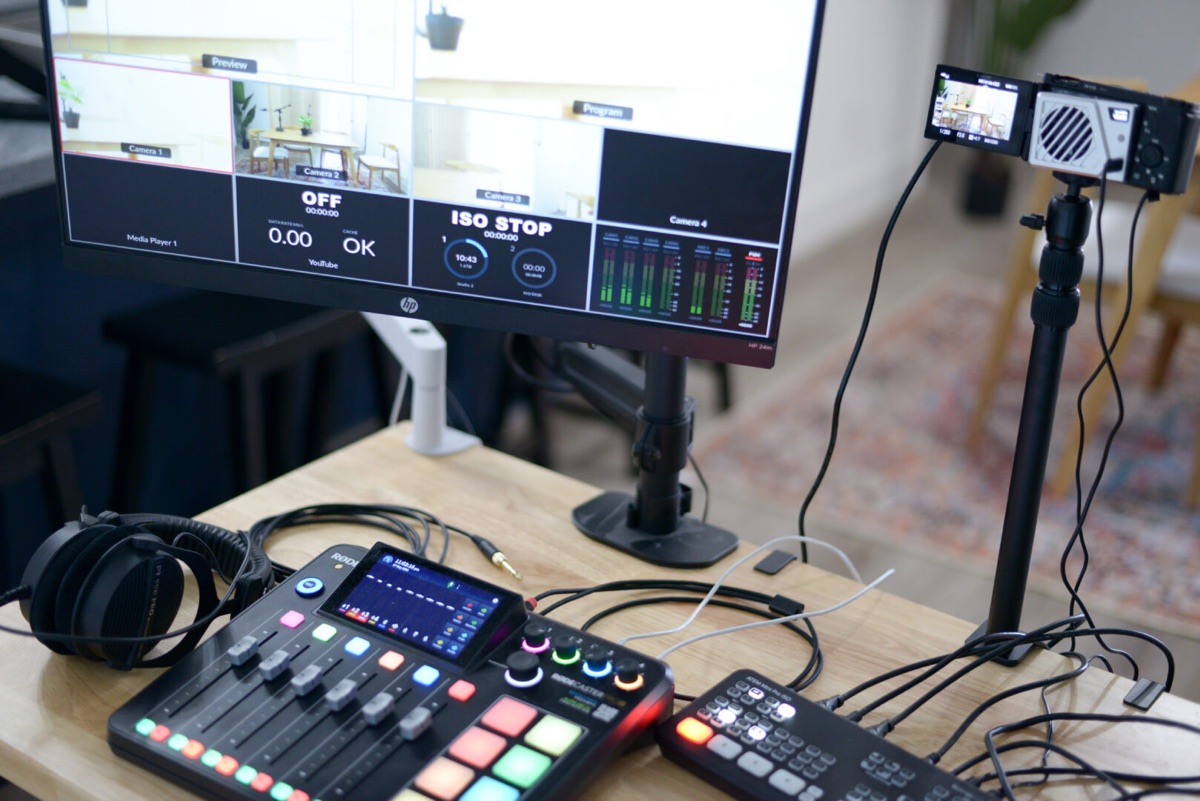
If you record one episode per week and each session takes about an hour, that is roughly $900 per month at the Studio + Filming rate, or $810 per month if you pre-purchase a 12 Session Bundle — and none of that goes toward setup, maintenance, or a learning curve. You show up, sit down, talk, and walk out with broadcast-quality audio and video files. No fumbling with gain knobs. No fighting room echo. No figuring out why your camera footage is out of sync with your audio.
Studio rental is especially powerful for podcasters who are just starting out and are not sure how committed they will be long-term. Instead of investing $2,000 in equipment before you know if podcasting is right for you, book a few studio sessions and test the waters with professional quality from day one. If you stick with it and eventually want a home setup, you will have a much better ear for what "good" sounds like because you have been recording in a professional environment. And if you decide podcasting is not for you, you have not spent thousands on gear collecting dust in a closet.
Who Should Buy Equipment vs. Who Should Rent
Not every podcaster needs a studio, and not every podcaster should build a home setup. Here is an honest breakdown of who benefits from each approach. Buy your own equipment if: you record three or more episodes per week and the per-session studio cost would exceed your budget, you live far from any professional studio, you already own some gear and just need to fill gaps, or you genuinely enjoy the technical side of audio production and want full creative control over your signal chain.
Rent a studio if: you are a beginner who wants professional quality without a steep learning curve, you record one to four episodes per month and the math favors renting, you want video podcasting without investing in cameras and lighting, you host in-person guests and need a neutral professional space, or your home environment is too noisy or small for a proper recording setup. Many podcasters in the Phoenix and Mesa area fall squarely into the second category.
There is also a hybrid approach that works well. Record your solo episodes at home with a modest USB setup, and book a studio session when you have a guest or want to batch-record multiple video episodes. This gives you the flexibility of home recording for quick turnarounds and the production value of a professional studio for your flagship content. Several of our regular clients at Podcast Studio AZ follow exactly this model — and their download numbers reflect the quality difference.
Studio Pricing
$225/hr
Studio + Filming
$350/hr
Studio + Filming + Editing
$450/hr
Studio Content Package
Every session includes multi-camera filming, professional audio, lighting, and a dedicated engineer, with raw footage delivered. The higher tiers add a fully edited podcast episode and short-form social clips. Weekend sessions available by request.
Book NowFrequently Asked Questions
What is the minimum equipment needed to start a podcast?
How much does a full podcast setup cost?
Is an XLR or USB microphone better for podcasting?
Do I need acoustic treatment for my home podcast studio?
Can I record a podcast with just my phone?
Record Your Podcast atPodcast Studio AZ
Our full-service video and podcasting studio is ready to make your next project shine — with an in-house video engineer ready to assist.